
The Breed
What’s worth knowing about this striking tricolour teddy bear?

History of the breed
A breed originating from Switzerland.
Historical records date the appearance of dogs similar to today’s to the early 1900s.
It was officially registered as a breed in 1907.
Classification by the world canine organisation (FCI):
Group 2
Section 3: Swiss Mountain and Cattle Dogs
Also in this section, with the same colouring:
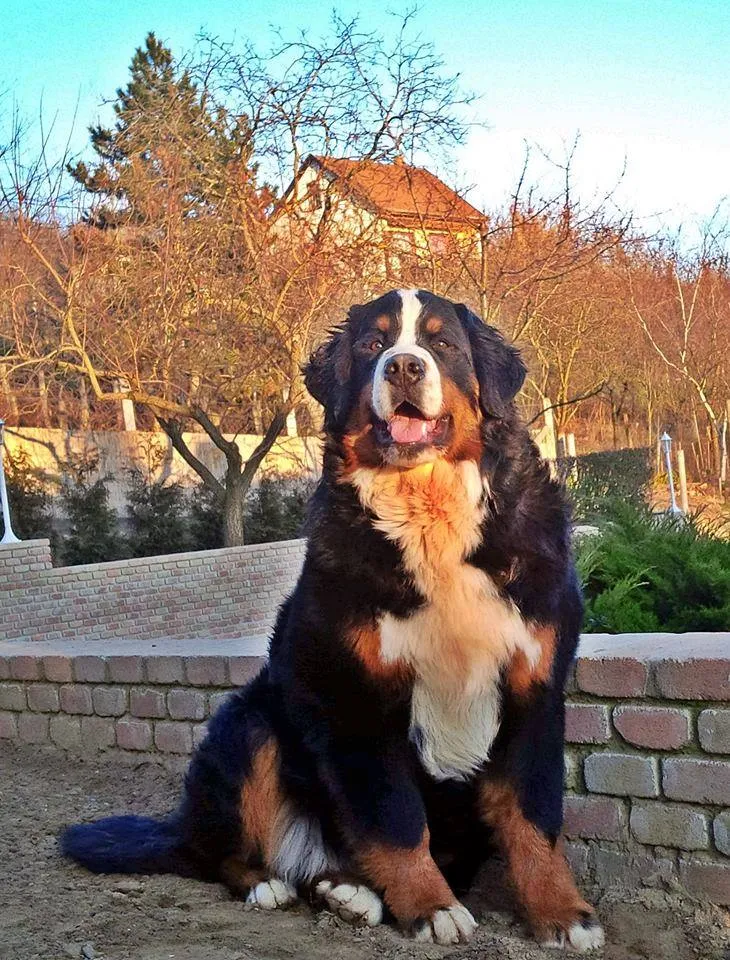
Bernese Mountain Dog
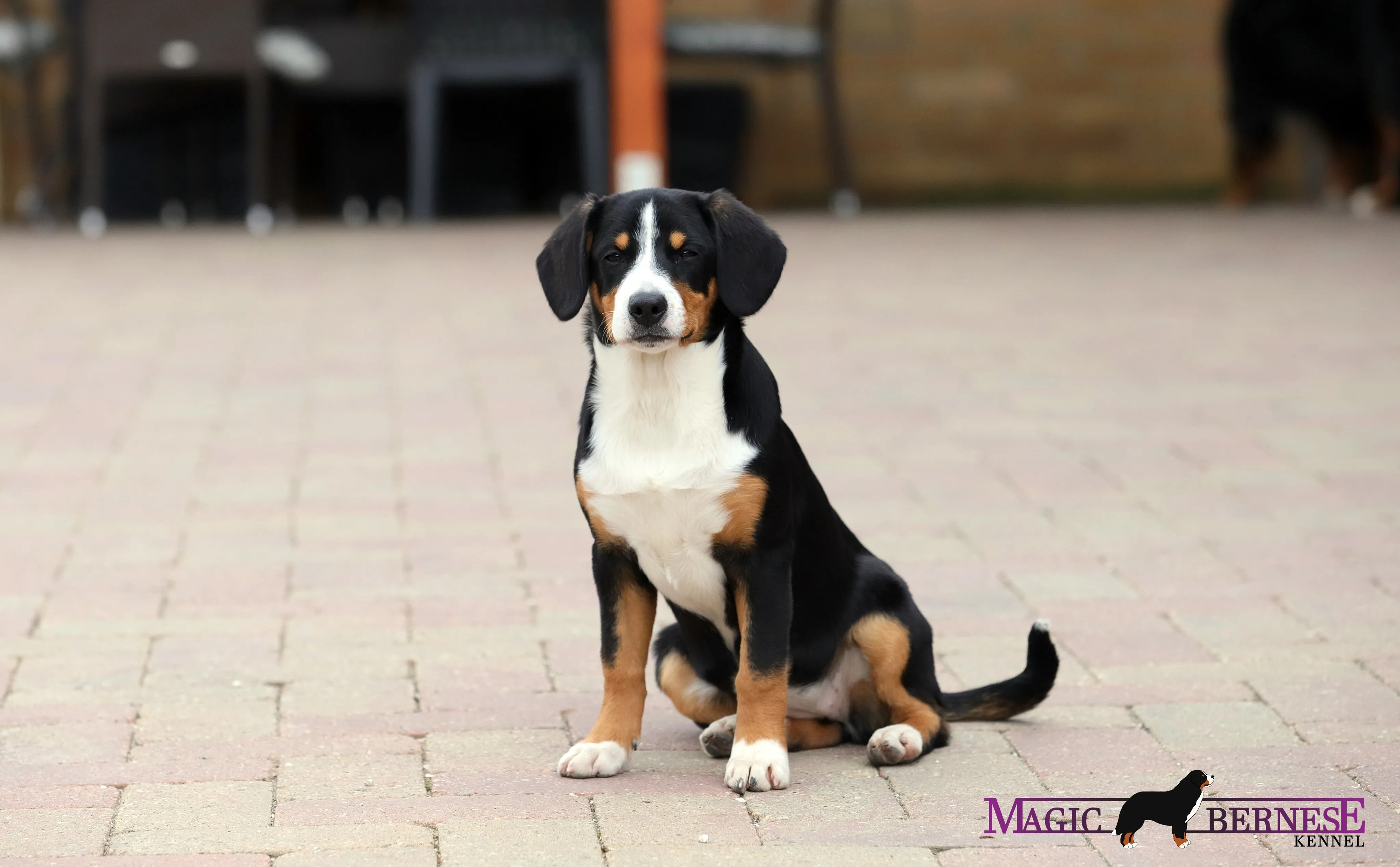
Entlebuch Cattle Dog
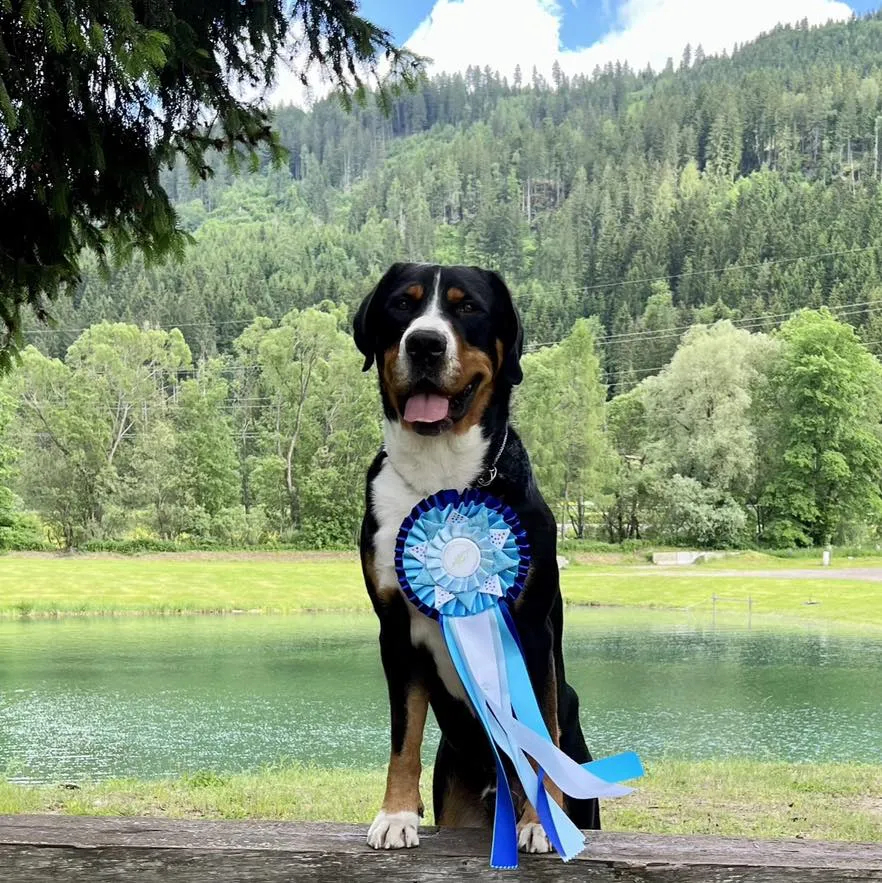
Great Swiss Mountain Dog
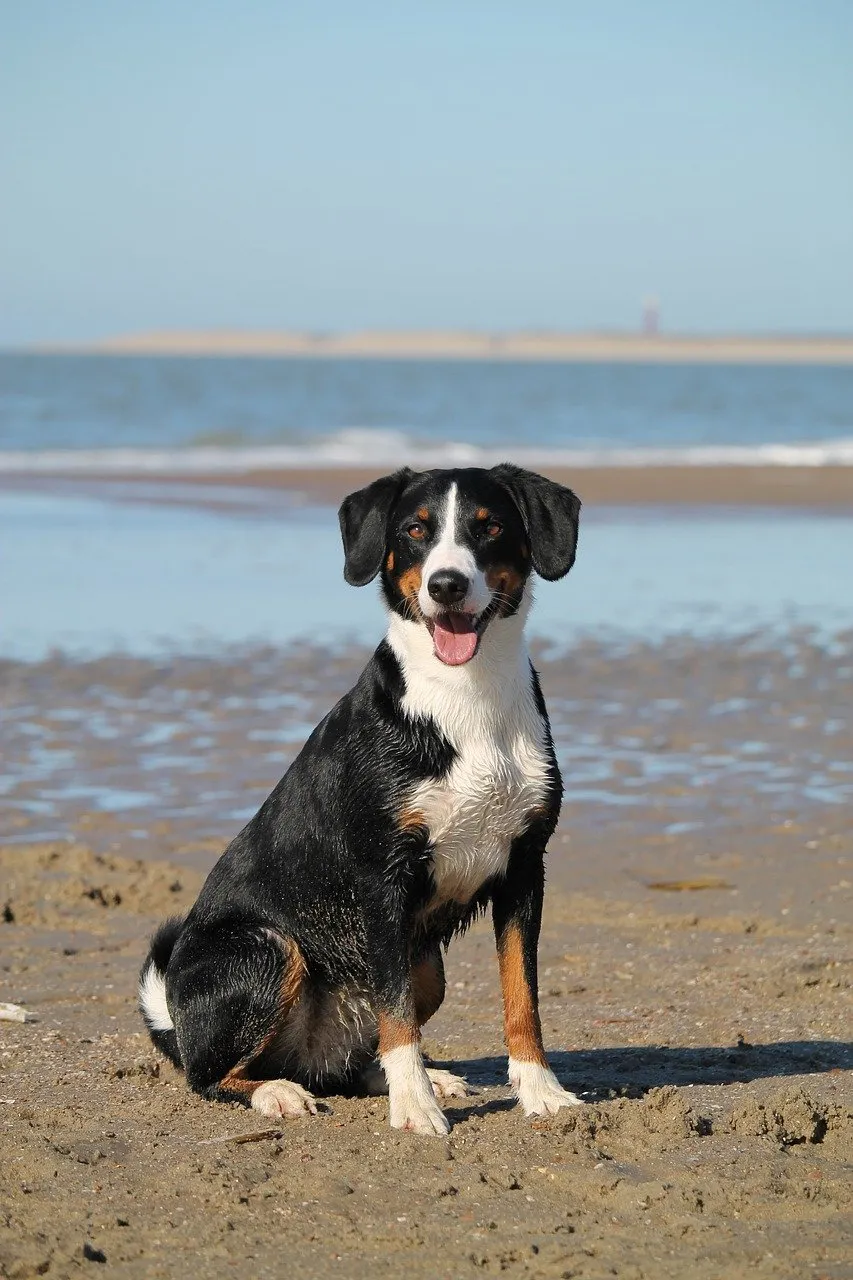
Appenzell Cattle Dog
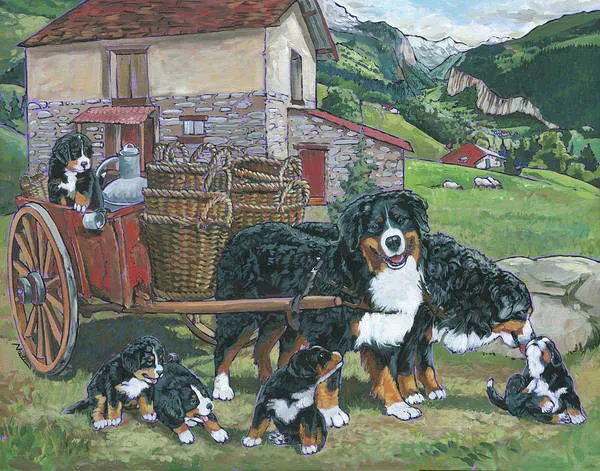
What was it originally used for?
It was a guarding, herding and draught dog. It pulled milk carts. It was the all-round dog of the farm, and in the evening it rested from the day’s labours by the tiled stove, surrounded by its family.
Its role today
The breed has almost entirely lost its working character. In Austria we still see some people using it as a search and therapy dog – it certainly has the abilities for that. It no longer pulls milk carts, but it happily rests on the sofa and watches over the sleep of the youngest member of the family. It has become a true all-round family dog. A companion for children to grow up with.
How good is it with children?
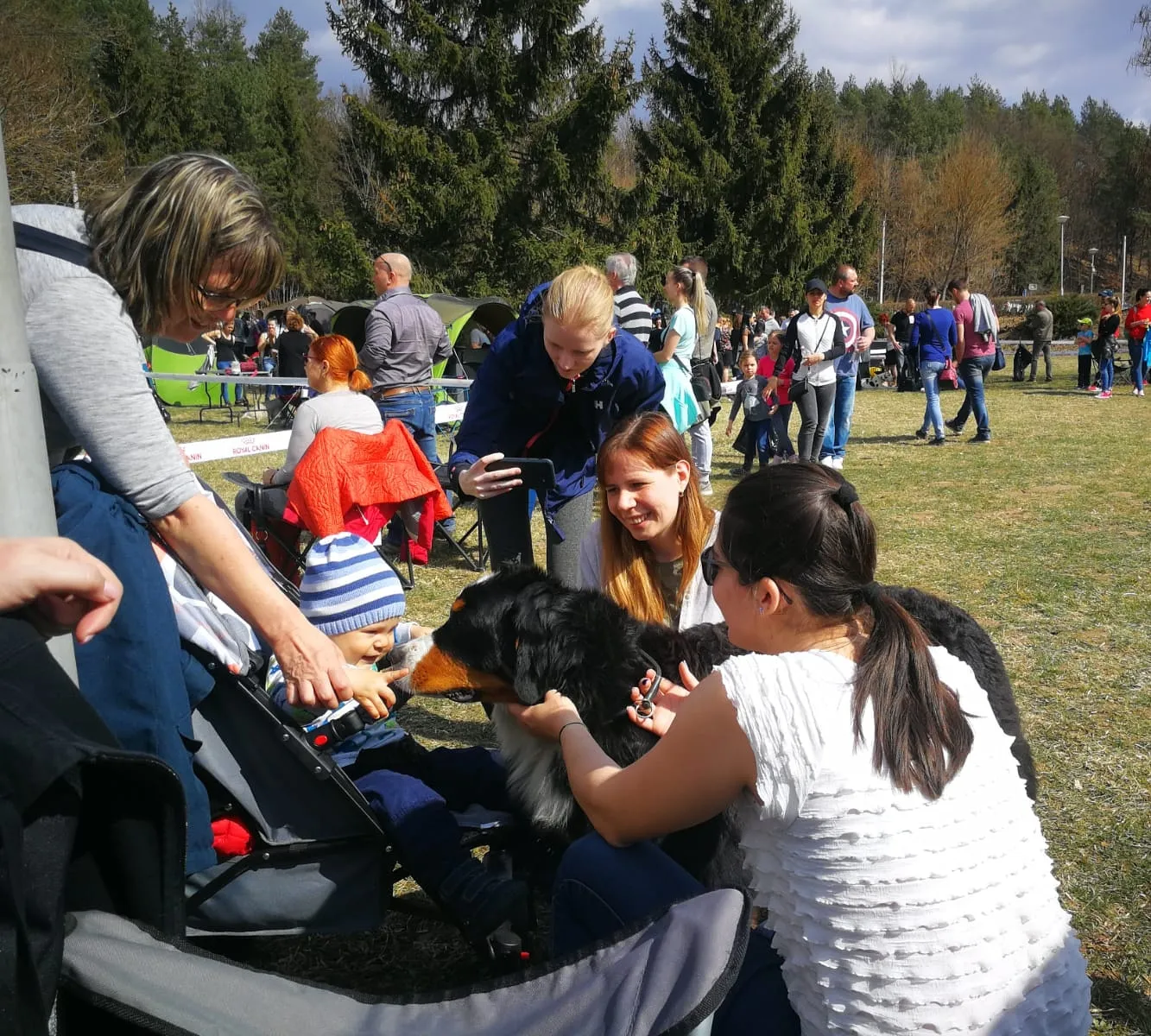
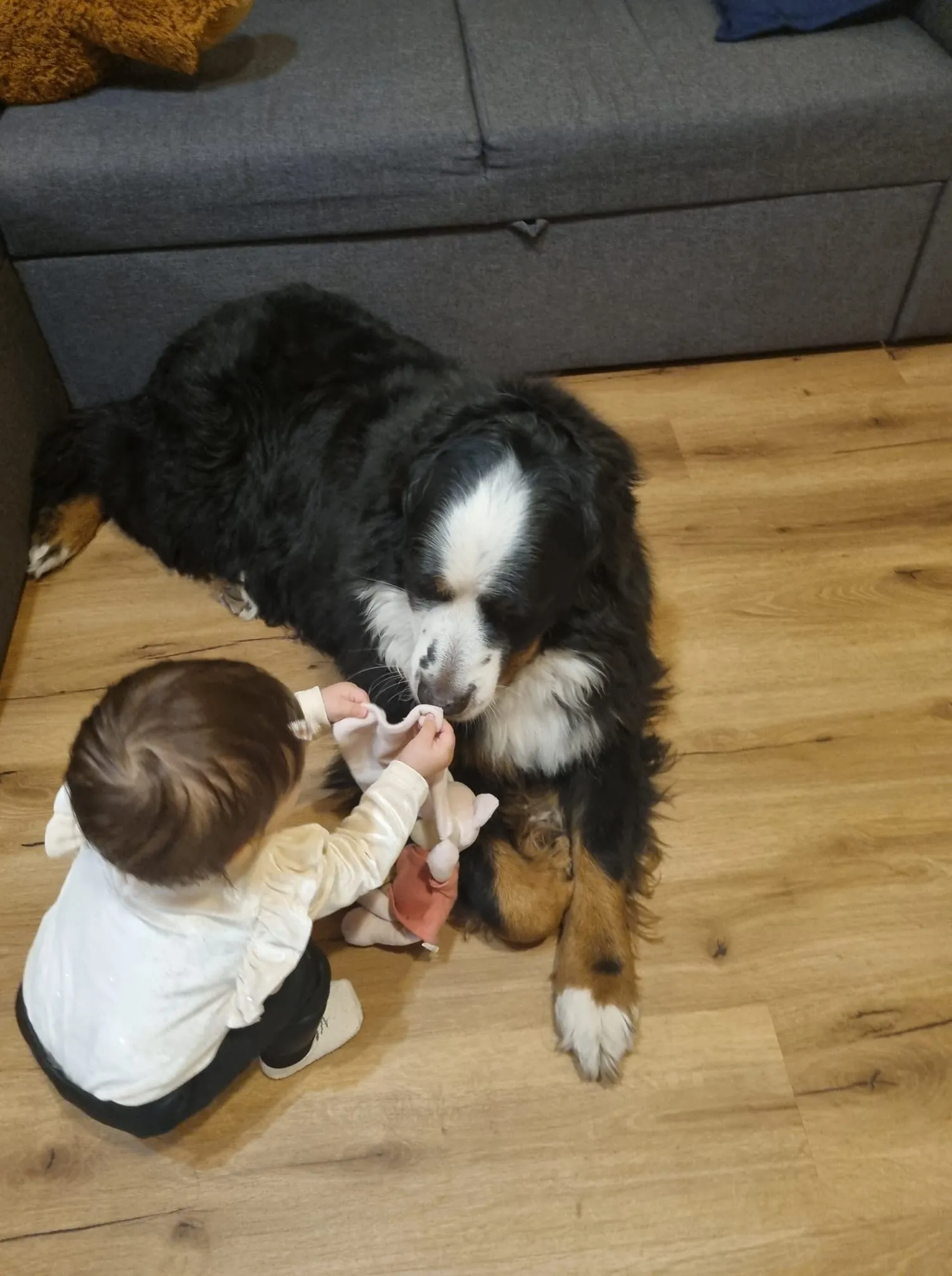
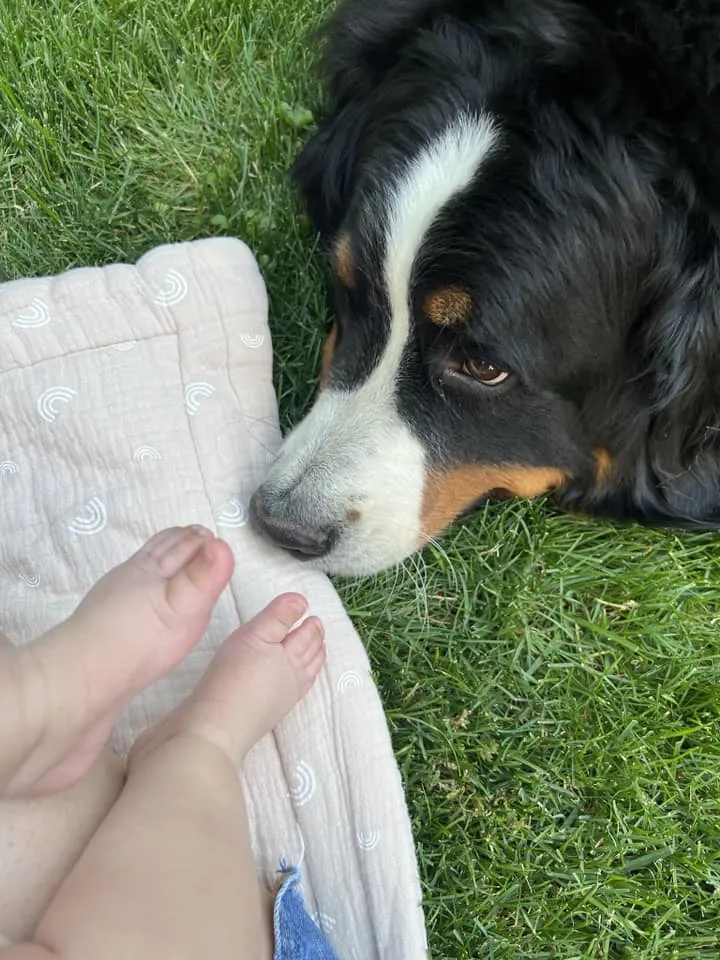
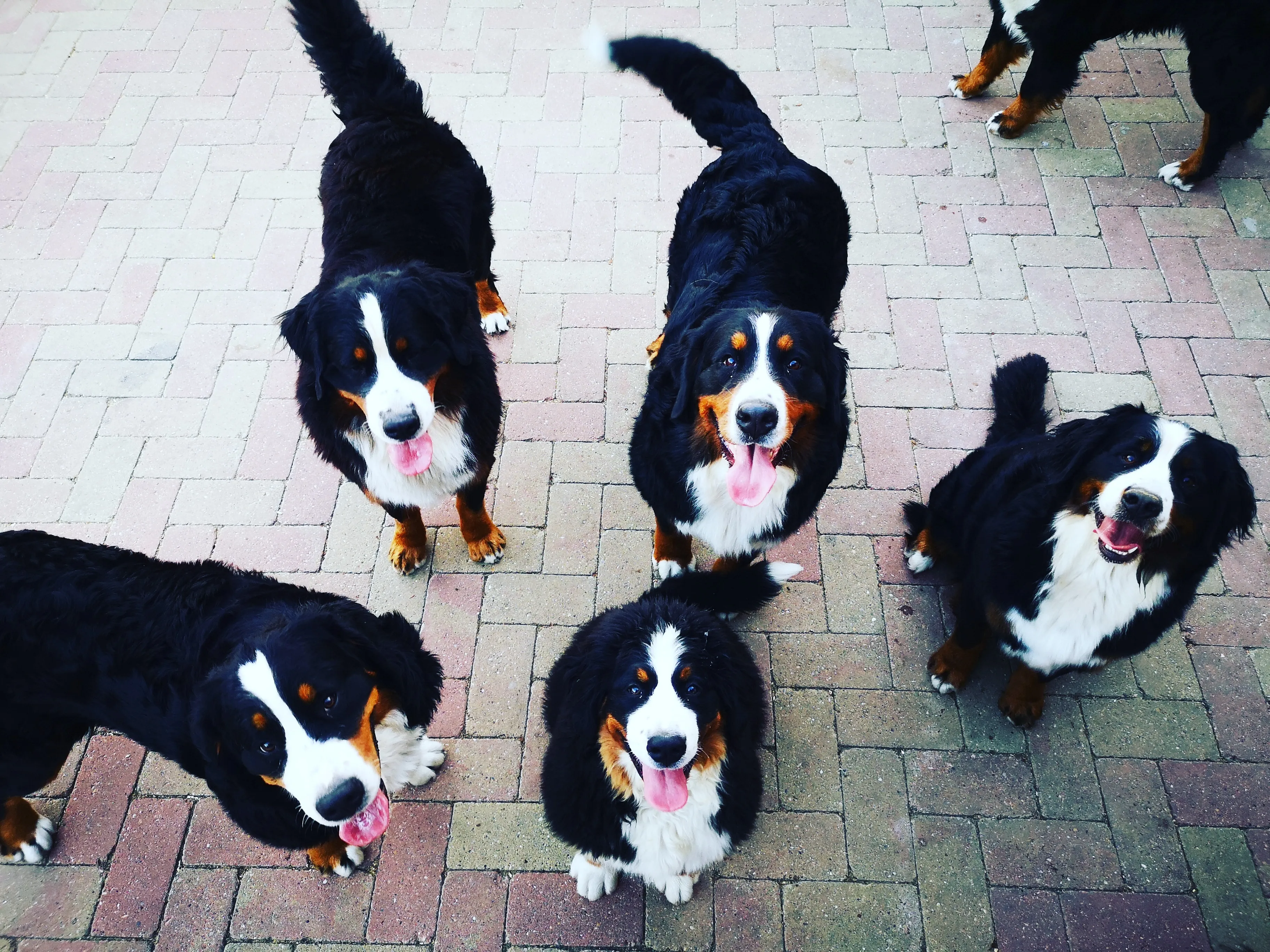
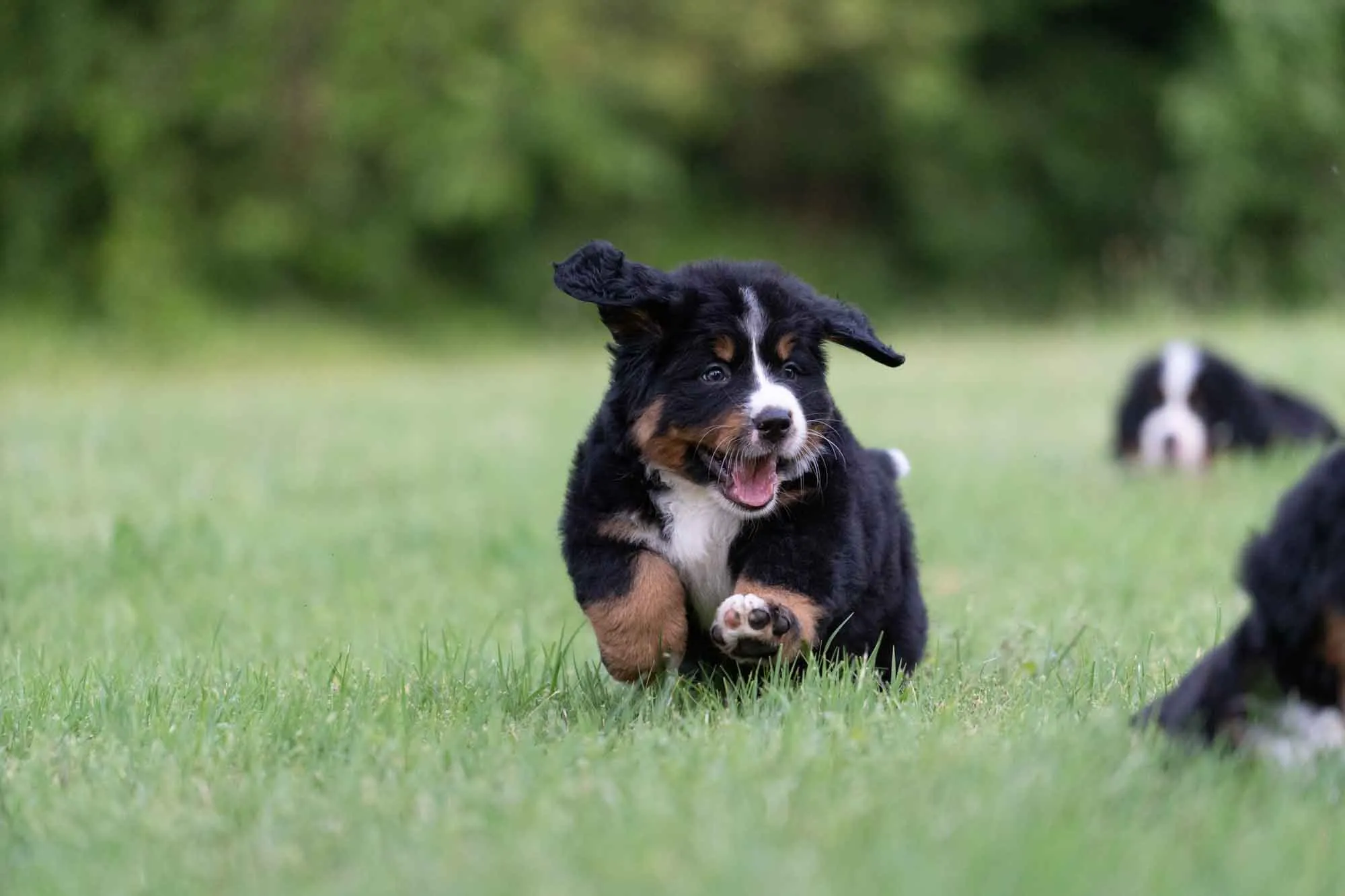
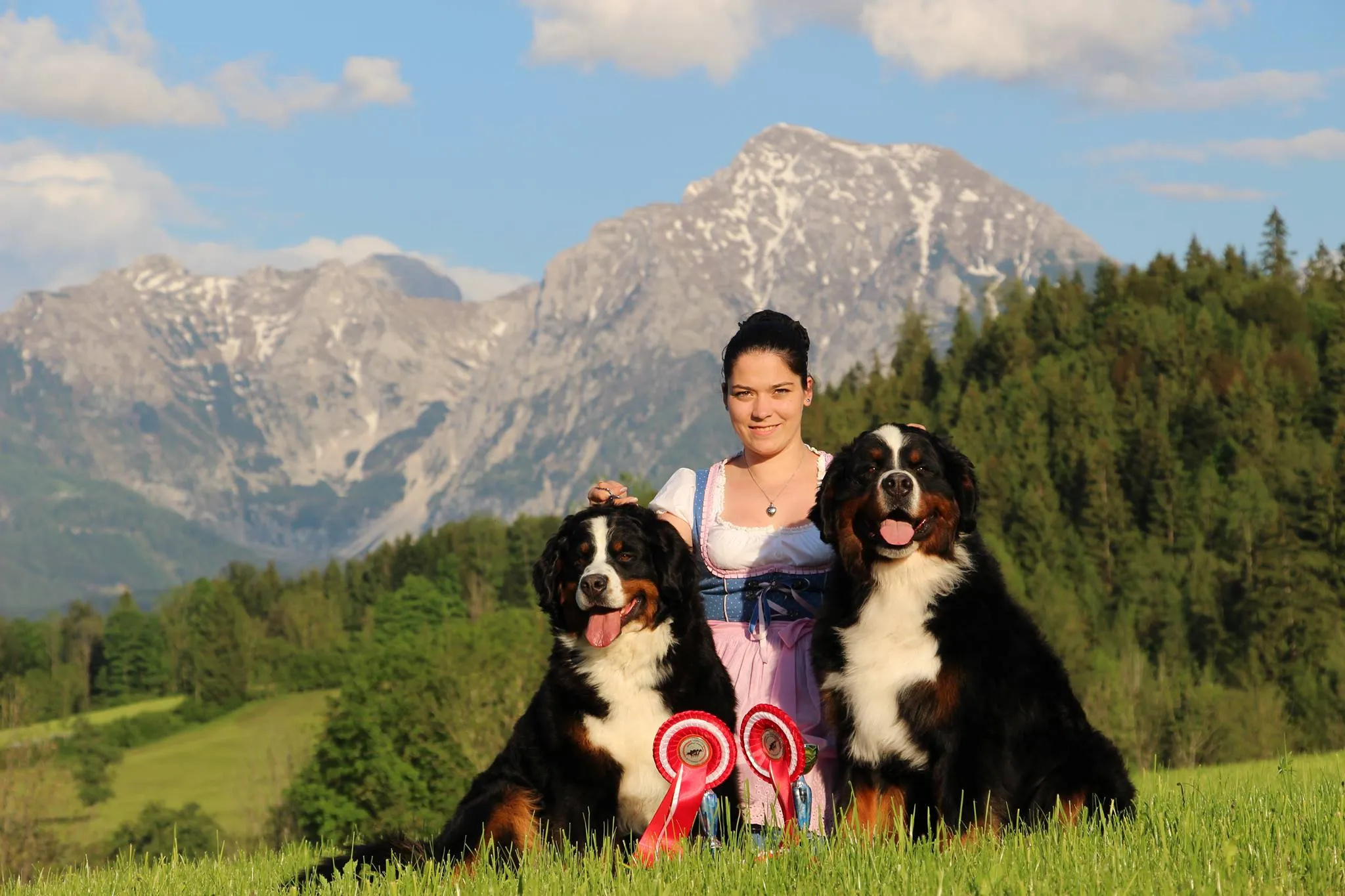
Let the pictures speak for me. But I would like to stress that this breed would never growl at a child. It has the patience of a saint, and when it gets tired of the children clinging to it for the second hour, it gently gets up and flops down again two metres away. Then the games – and the endless patience – can carry on.
My little sister learnt to walk by holding on to the fur of my first Bernese. I think that says it all about them.
Its role in the family
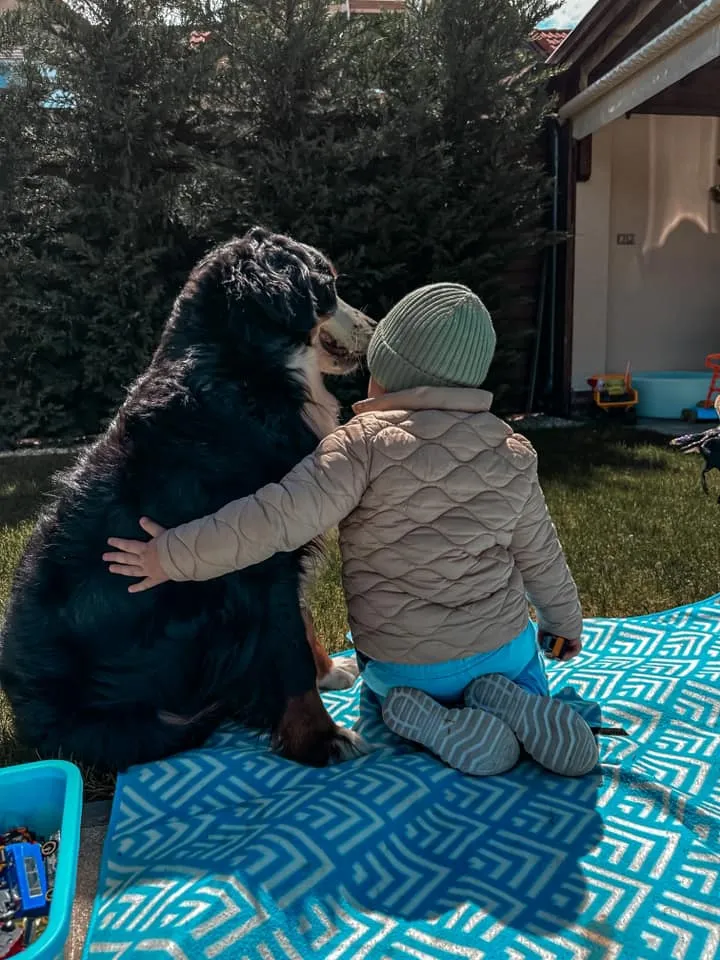
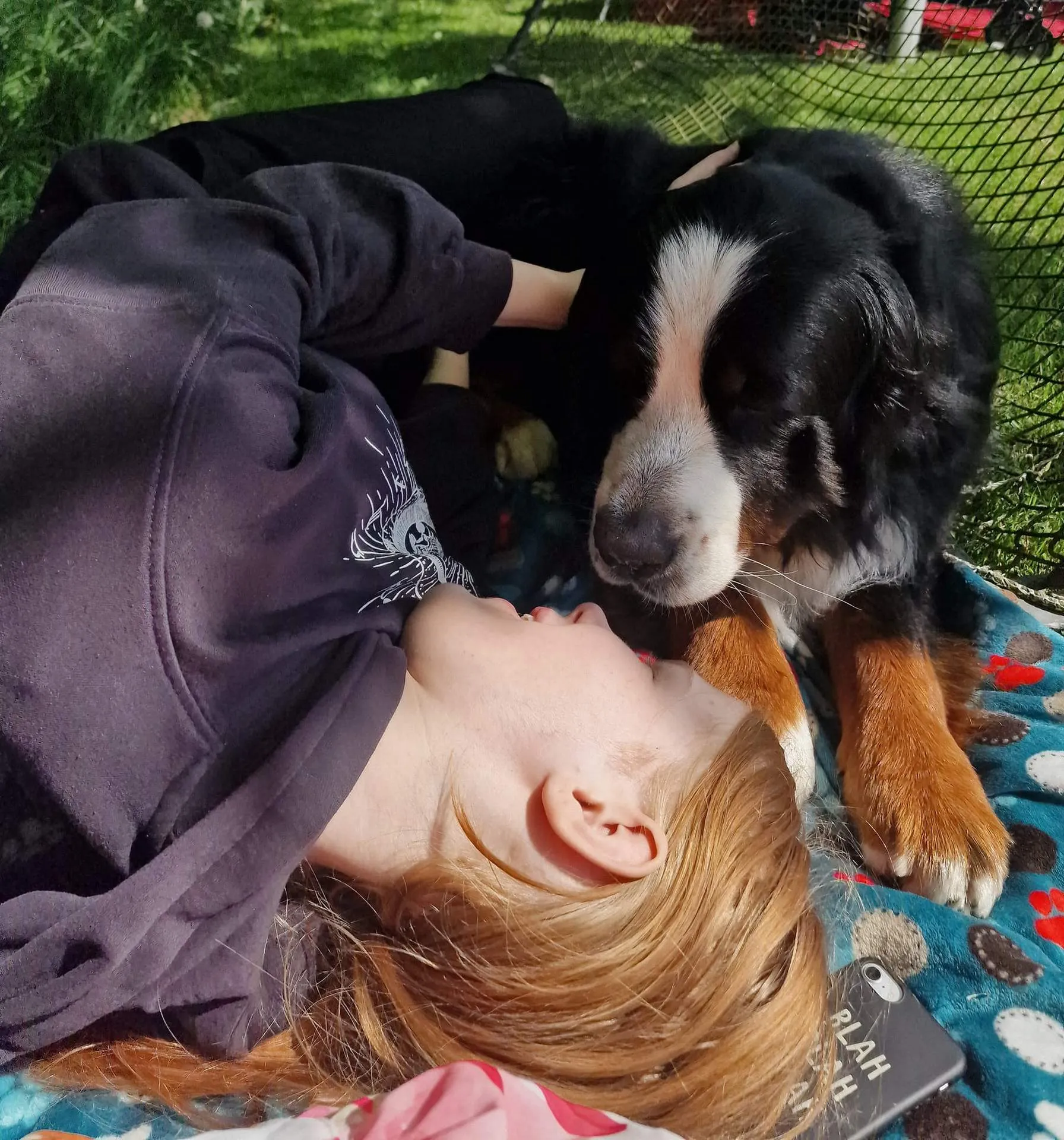
To tell the truth, it becomes a member of the family – really an extra child in the household. This breed is at its most balanced when its family is within sight, but even better when they are within arm’s reach. There should always be someone to stroke it, which it acknowledges with an enthusiastic wag of its tail.
Guarding the house
It fits very nicely across the front door, and the only way into the house is by stepping over it.
It knows who gives in most easily!
This breed always stays close to the family, and that is what makes it truly balanced. It adapts to its family’s way of life. It learns the daily routine and works out who the weak link is – the one from whom a little concession can be coaxed with a smile from a lovely pair of brown eyes.
Always happy to get a little treat
Whenever we go shopping for our dogs, we always buy cheese triangles, because they love them.
Social life
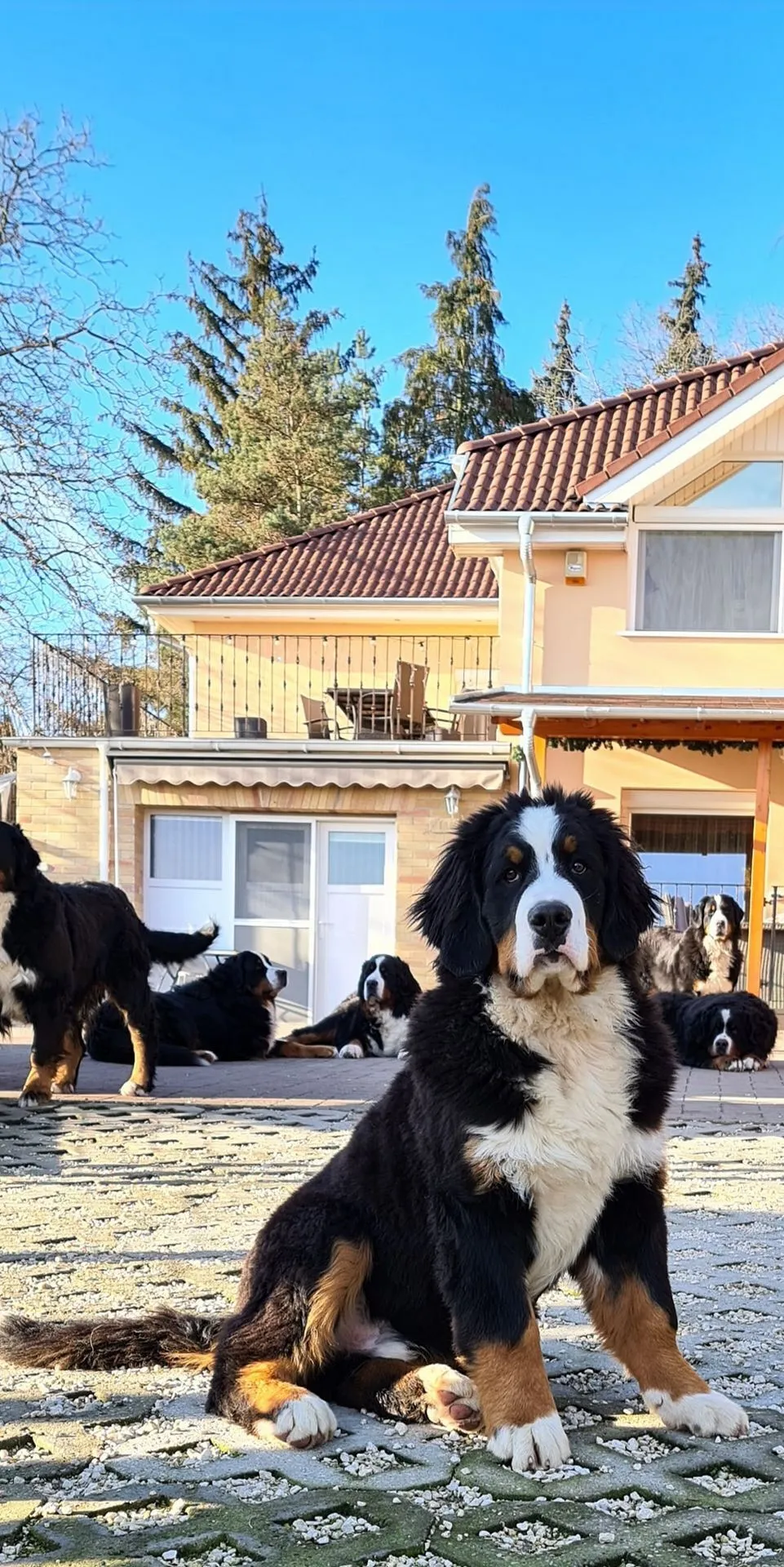
It comes along to restaurants, and it is a big hit at nursery school too when we take it along to see the children. It really should be treated like an extra member of the family.
Not exactly a British mentality
At 3 °C and in pouring rain it will not rush to the lead to get you out for a walk. It sticks its nose out, gives itself a shake and goes out for a wee at most. And if it doesn’t have to, not even that. Once the bad weather has passed, it will deign to go out again.
Life indoors and outdoors
Winter and summer alike it is happy indoors, but as soon as autumn or spring comes, it is really in its element outside. You can see how they come alive at those times of year.
Cold or heat?
A common question is how well they cope with our climate, given that the breed comes from the cold and snowy Swiss Alps.
Cold
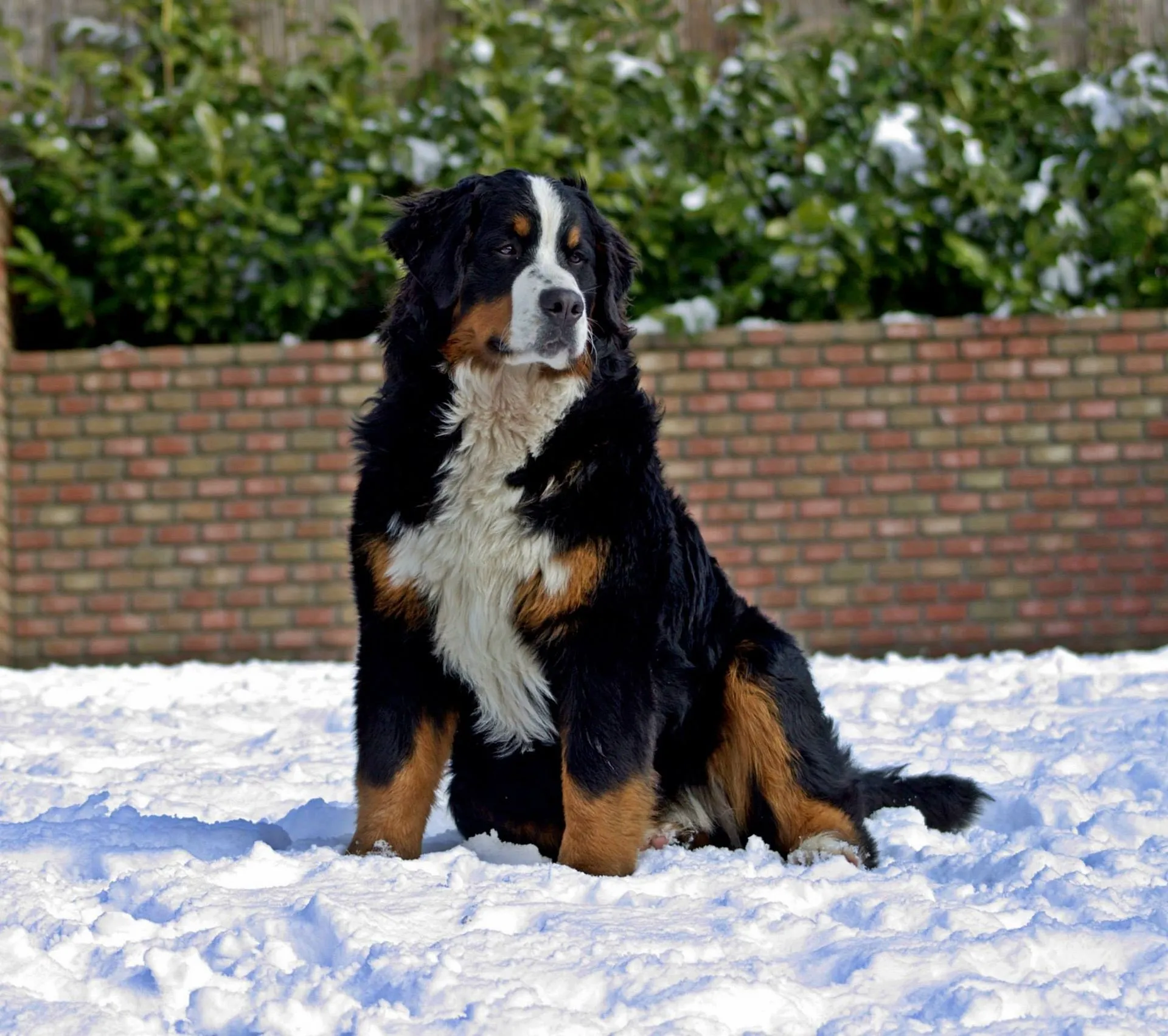
It will sleep on its back on top of the biggest pile of snow – after all, winter is truly its season. No, it will not catch a cold! It will even taste the snow.
Heat
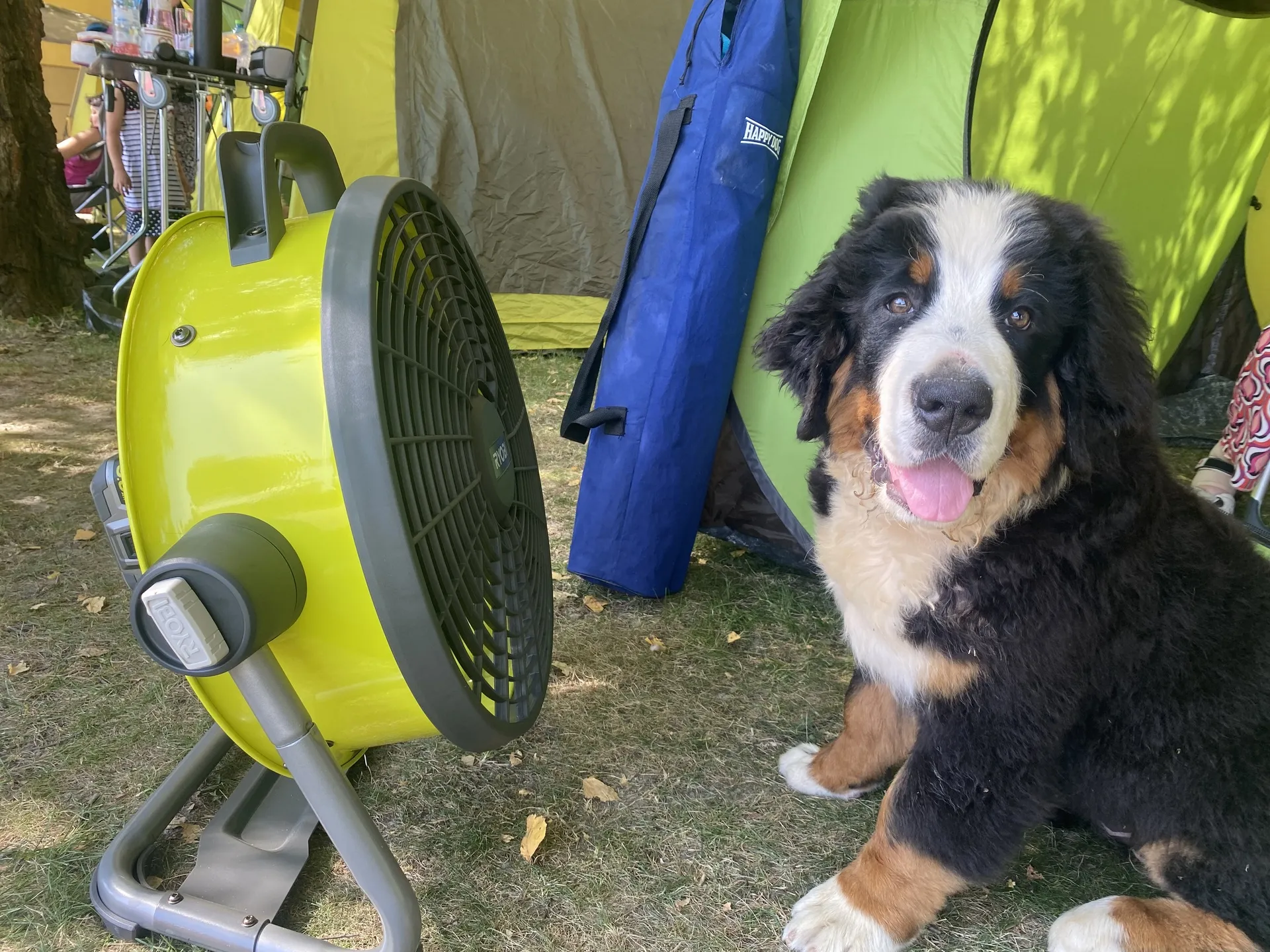
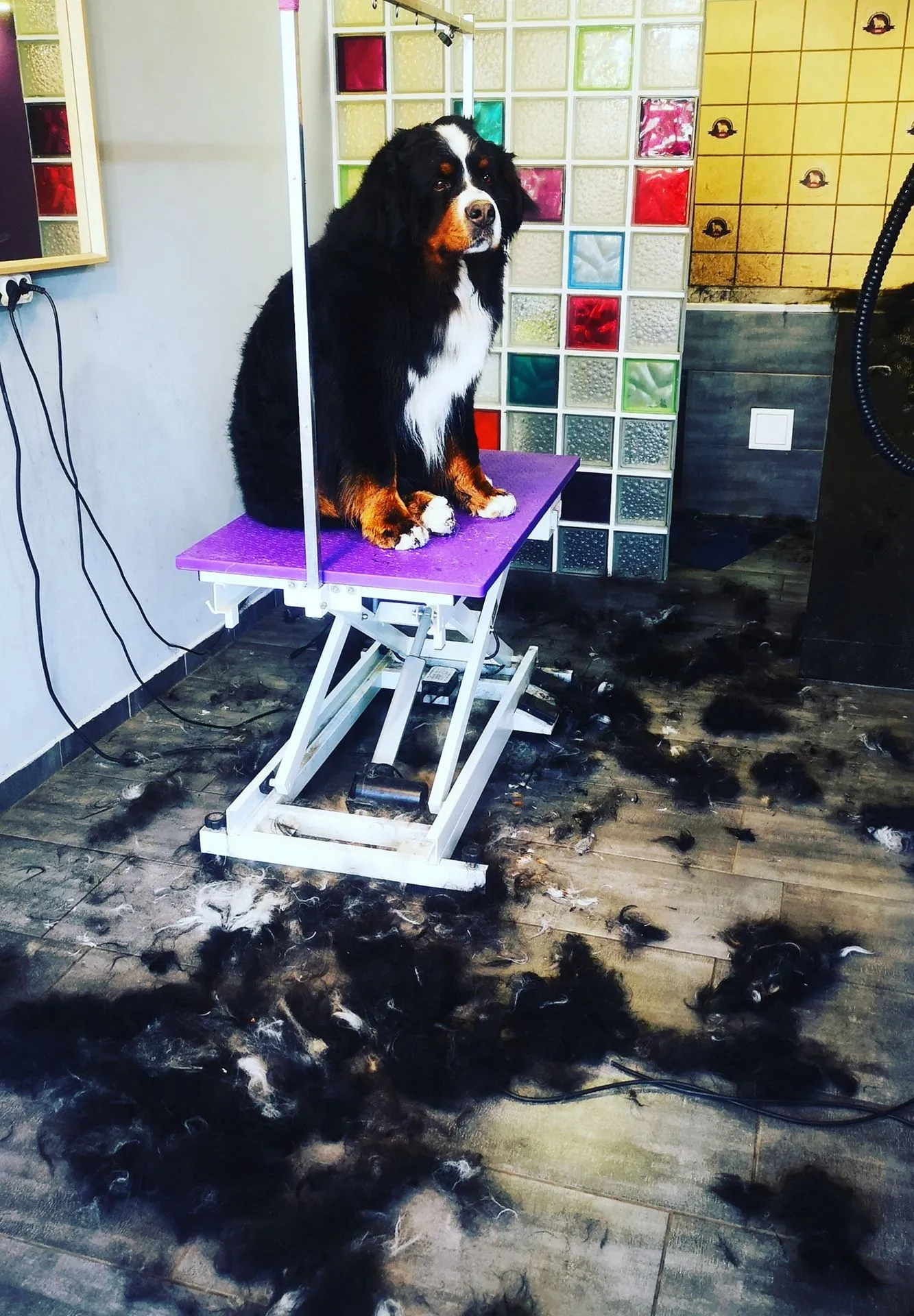
This is the breed’s greatest enemy. In summer you need to give it a cooler, but not damp, place. A basement, cellar or garage will do too, as long as it is cool and comfortable for the dog. Ideally, though, you can offer it an air-conditioned space. Heatwaves are getting hotter and hotter, and because of its thick coat and its size it is prone to heatstroke. Sadly, year after year we hear of cases where a Bernese suffered heatstroke even though it wasn’t “that” hot. Even just being in the heat and breathing in warm air, which does not cool its body enough, can be fatal for it, and disaster can strike within a short time. And this is when the idea comes… let’s shave its coat! One of the worst things you can do to a Bernese is to clip it short! No, and again no. That can set off a whole chain of problems. The main thing is that, whenever possible, you let it in during the hottest spells – at least into the hallway, where the temperature is moderate. It won’t touch anything; it just wants to rest until the heat has passed.
Upbringing and training
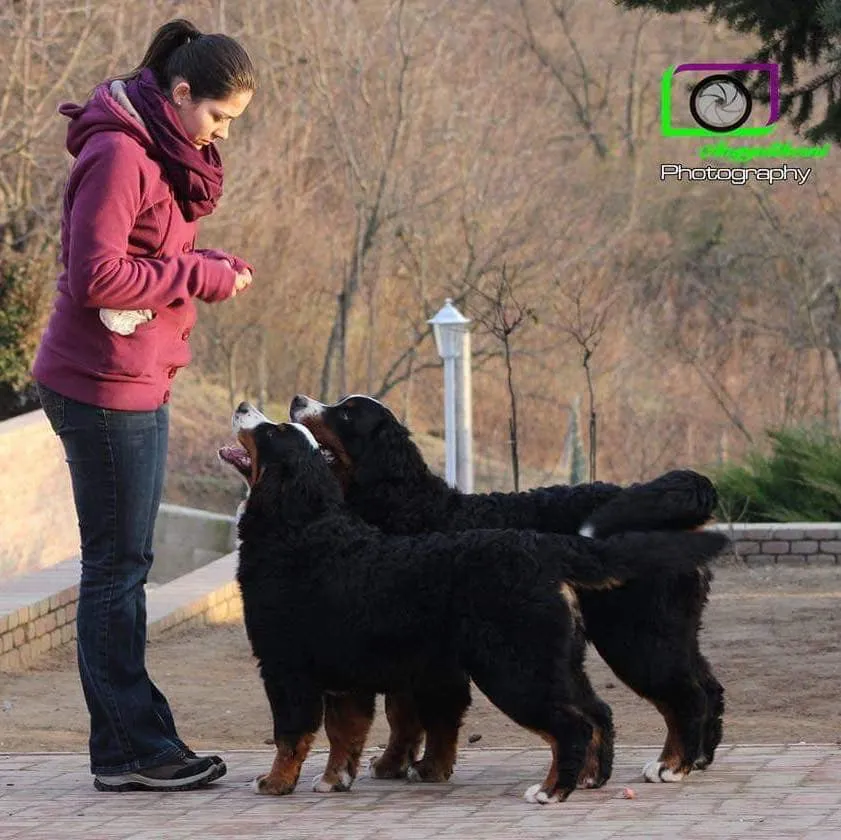
It learns quickly and adapts to its family and surroundings. Showing it something once or twice is enough, and it will know it. It takes patience and kindness. You will get nowhere with it by force. You can, however, break its spirit – and it does not forget.
There is a saying among Bernese lovers:
“A herding dog never forgets, and it can never be abandoned.”
That sums it all up.
Puppy class, dog school
We recommend puppy classes for socialisation. Then perhaps a basic course – but a family Bernese doesn’t need to crawl through tunnels or do obedience exercises in the blazing sun at 35 °C. Don’t expect this of it, and don’t go to a dog school that wants to make it do these things. It learns nicely and quickly at home, too. It’s like raising children: you have to be consistent, and then life with it is child’s play.
Female or male?
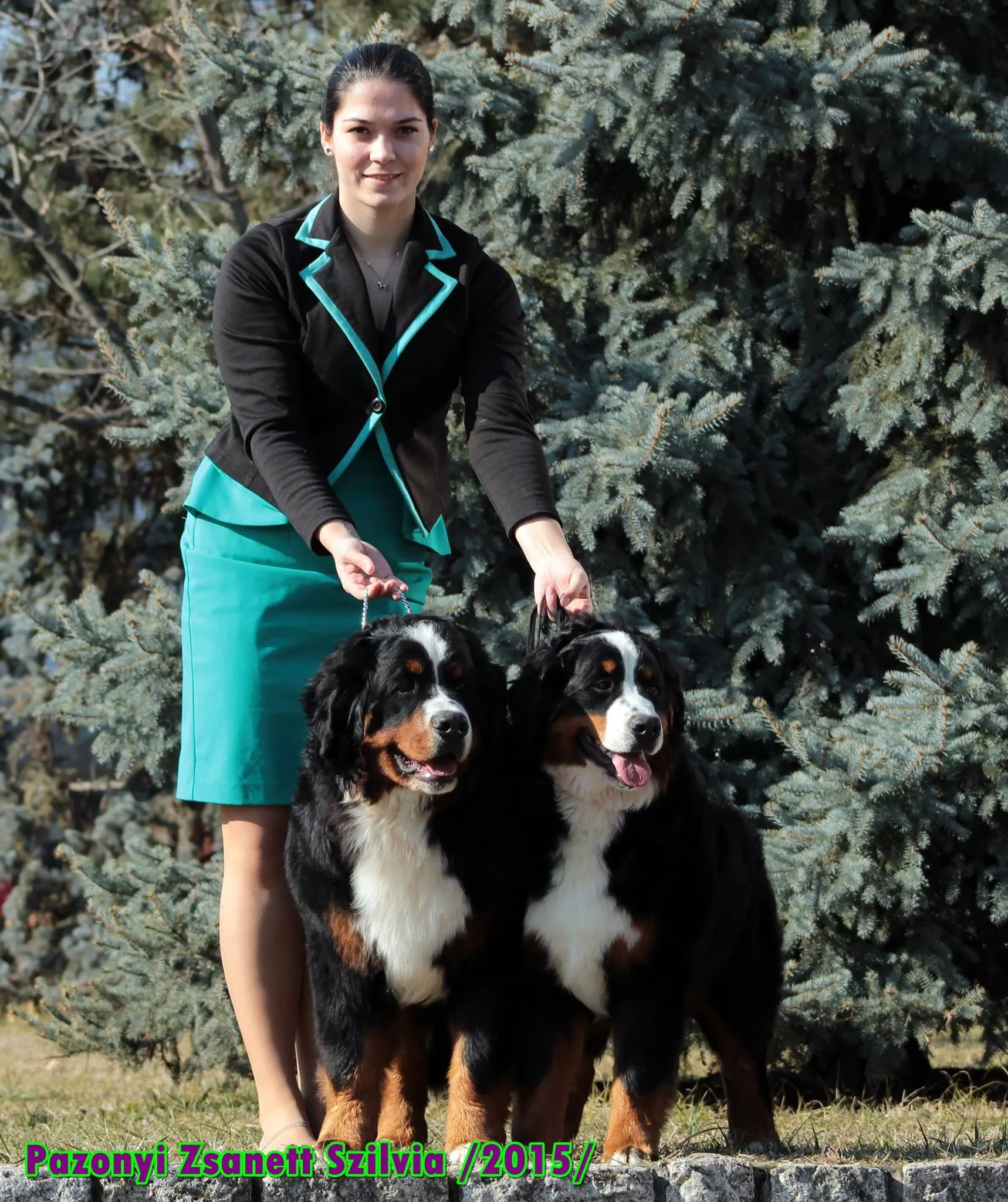
Both sexes have their advantages and disadvantages. For first-time owners I usually recommend a female, because it is easier to get used to life with a dog with her. But this also depends a great deal on the temperament of the puppy’s parents. Sometimes, within a litter, it wouldn’t matter which sex of puppy you take home, because their personalities are the same – always ask the breeder about this.
Females
In favour of females: they don’t mark and don’t burn the lawn with their urine, but in return they come into season until they are spayed. They are more soulful and more sensitive.
Males
Males mark, and because of their hormones they can be dominant. This calls for a certain firmness and the ability to recognise when a Bernese is showing dominant signs in its behaviour. With neutering and consistent training this can be kept fully under control. The usual argument for males is that they are bigger and more imposing. Ideally every dog takes after its parents, so go and see them in person if you have the chance!
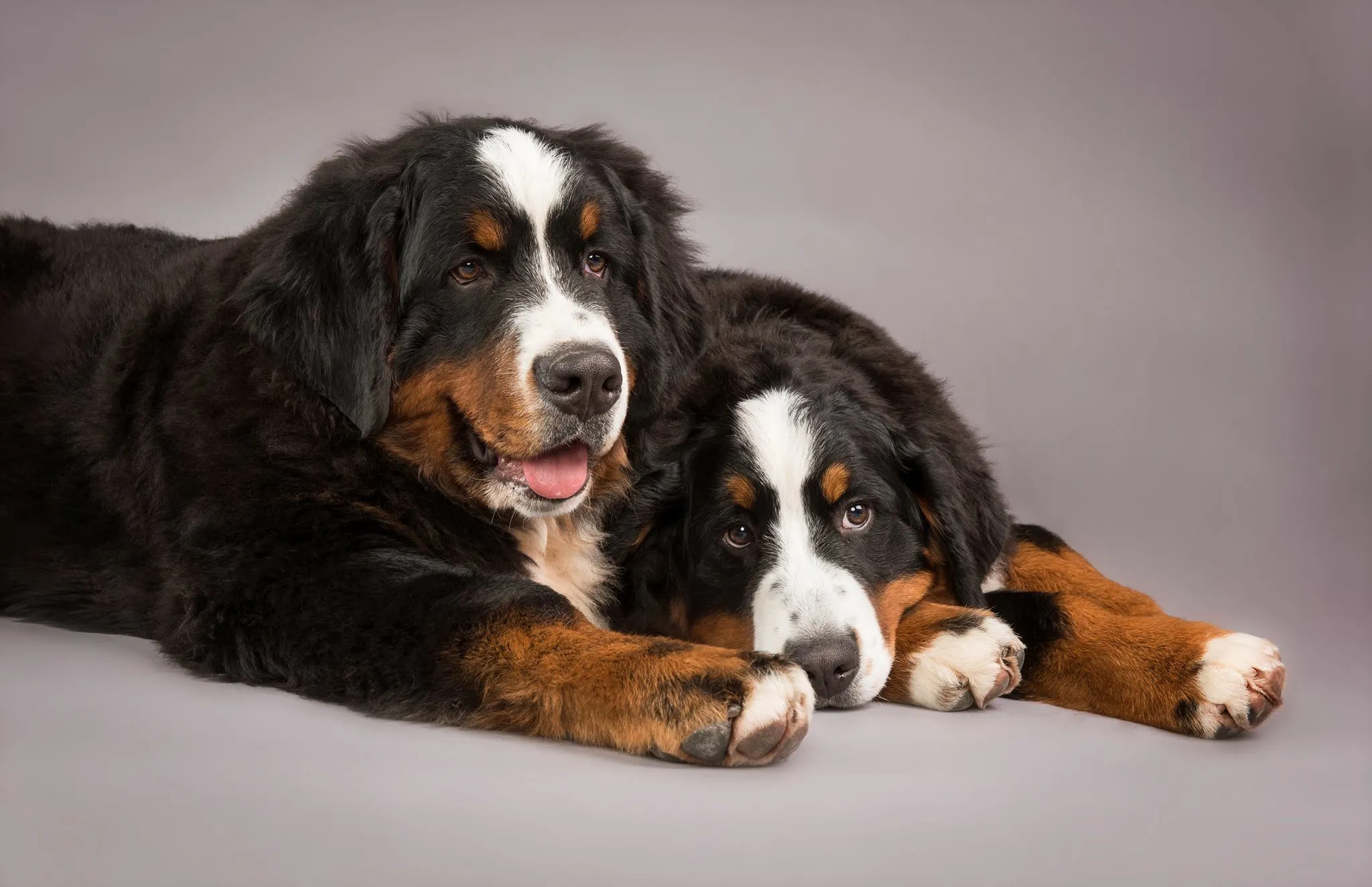
Coat
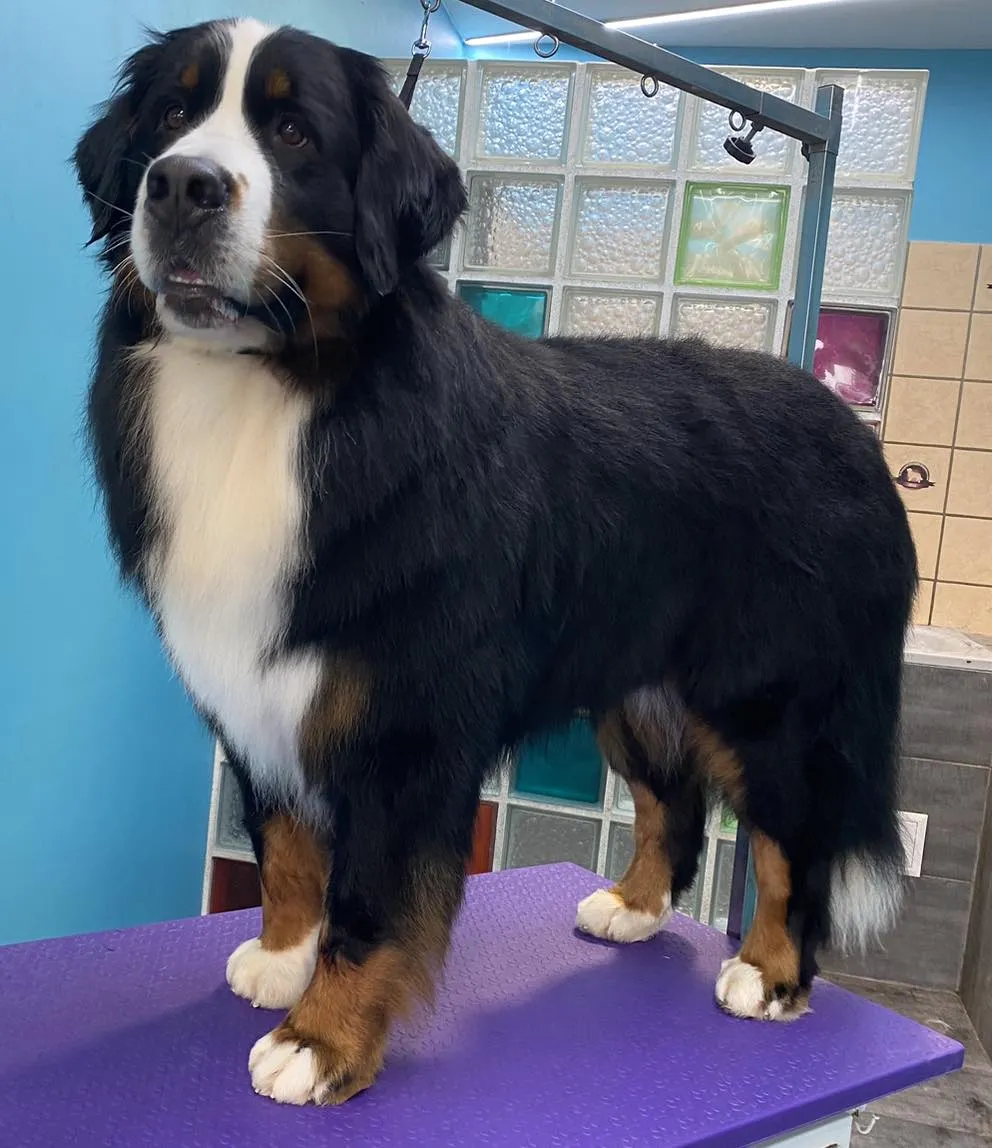
Coat
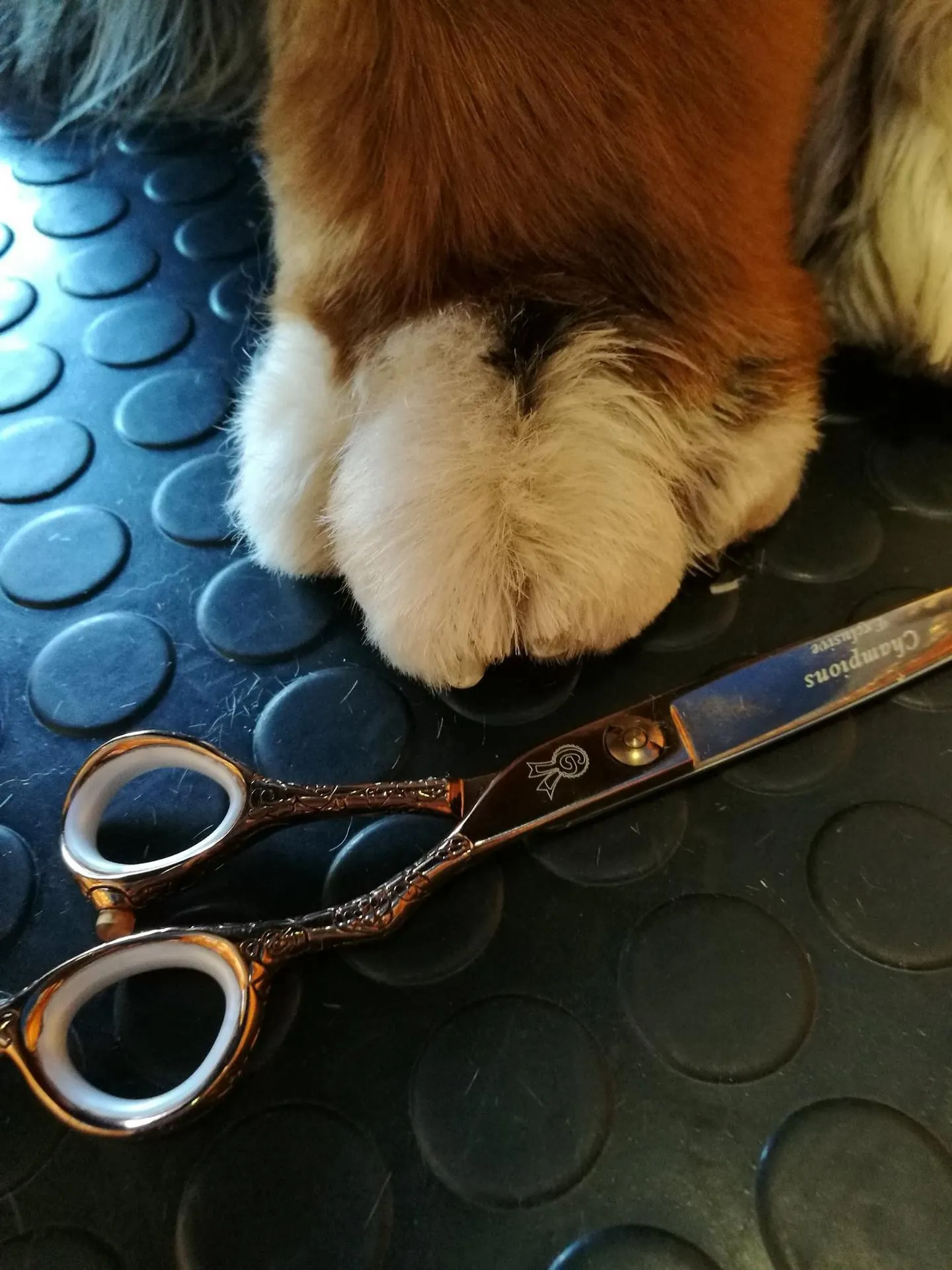
The Bernese has a double coat, which means the topcoat is a little longer than the undercoat, which is shed.

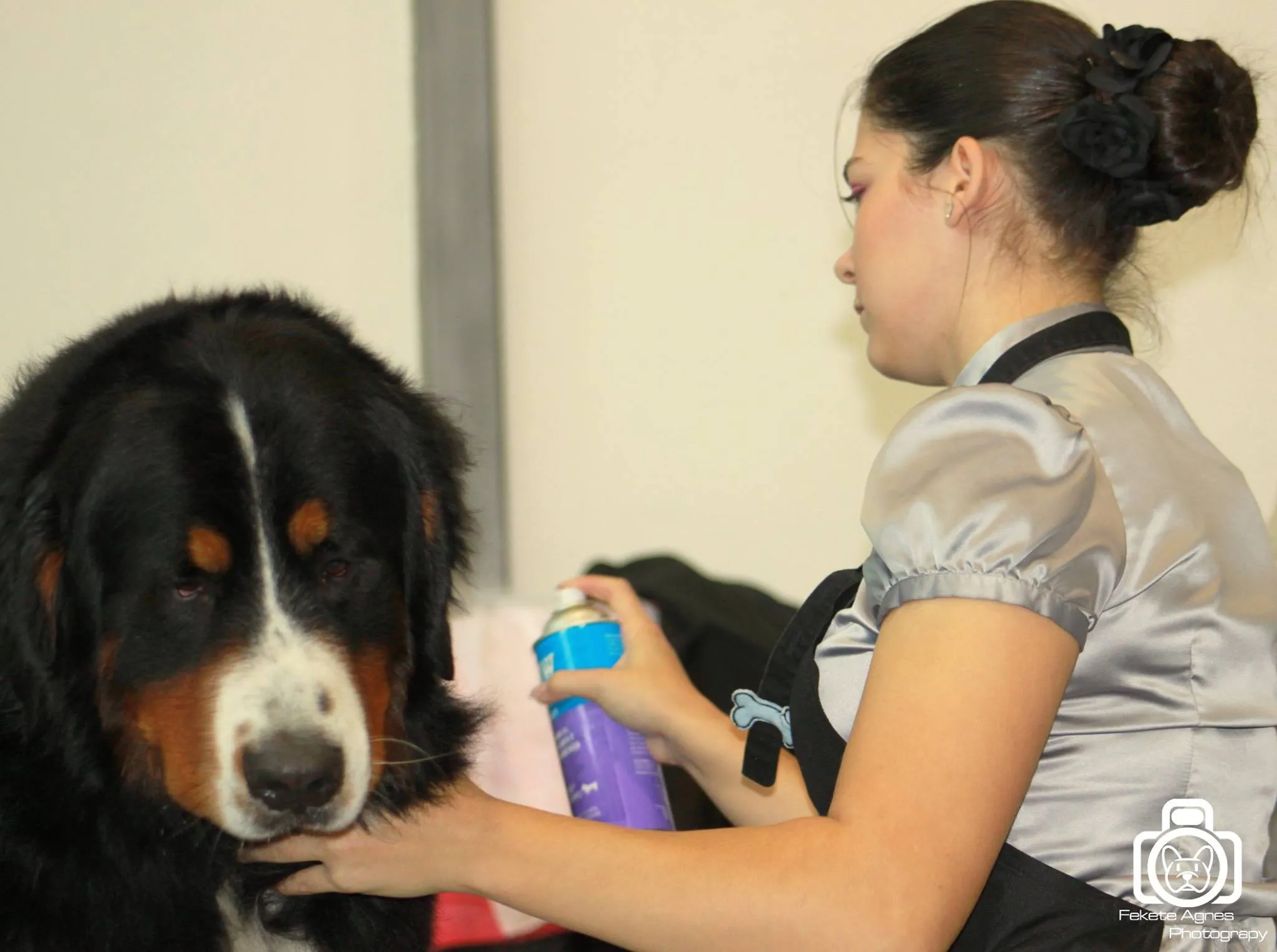
How often should I brush it?
From about 4 months of age, 20 minutes twice a week is recommended, but it varies from dog to dog.
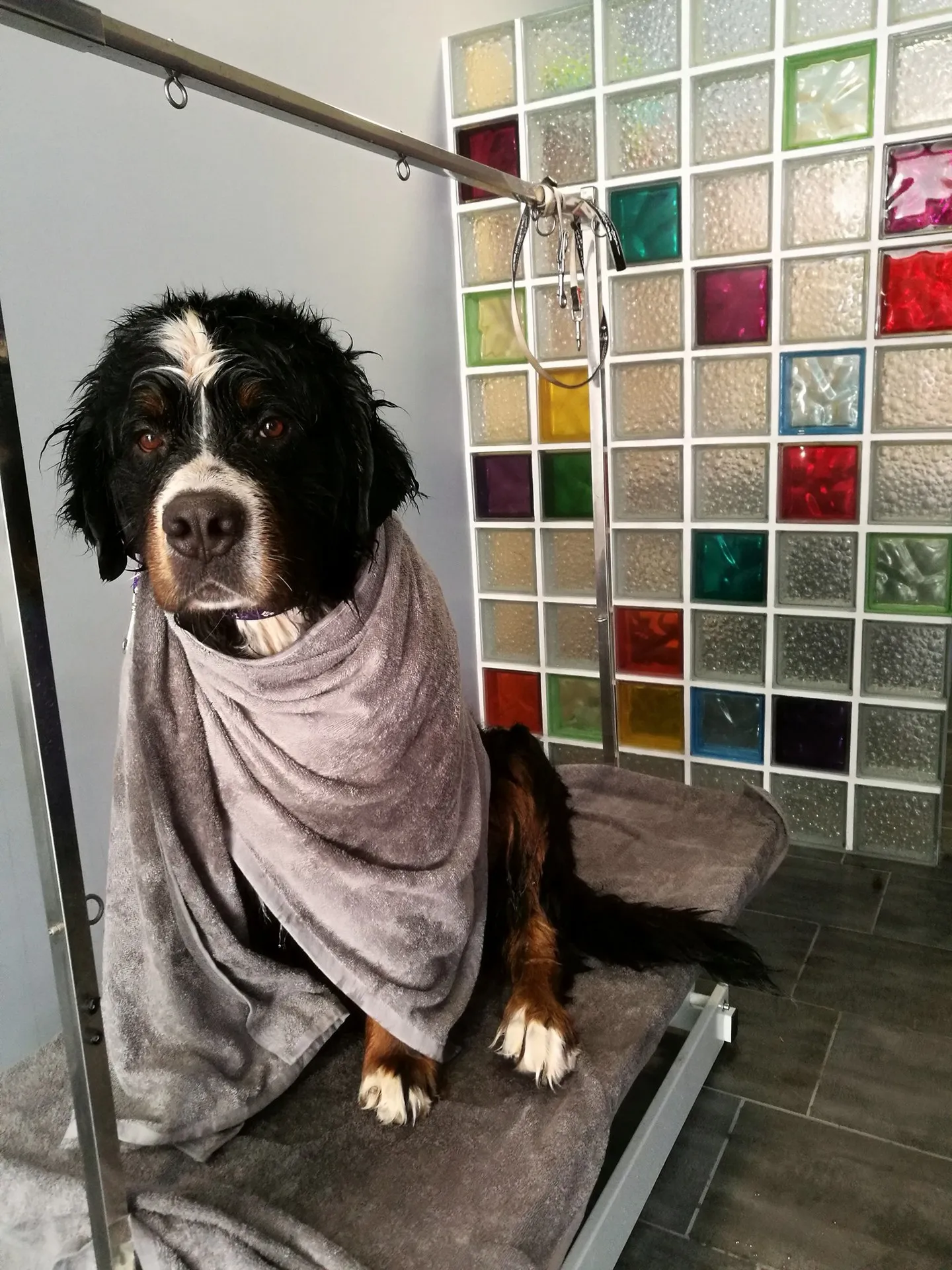
Shedding?
Originally there were two moults a year, but these are slowly merging into one, because the weather is mild and there is no real winter, so the Bernese’s body senses that a thick coat isn’t needed either.
Is its hair easy to clean up?
Fortunately, Bernese hair doesn’t work its way into fabrics, upholstery or carpets, so it is easy to clean up.
How big is a Bernese?
Females:
58–66 cm / 34–50 kg
Males:
64–70 cm / 45–60 kg
What’s important to make clear:
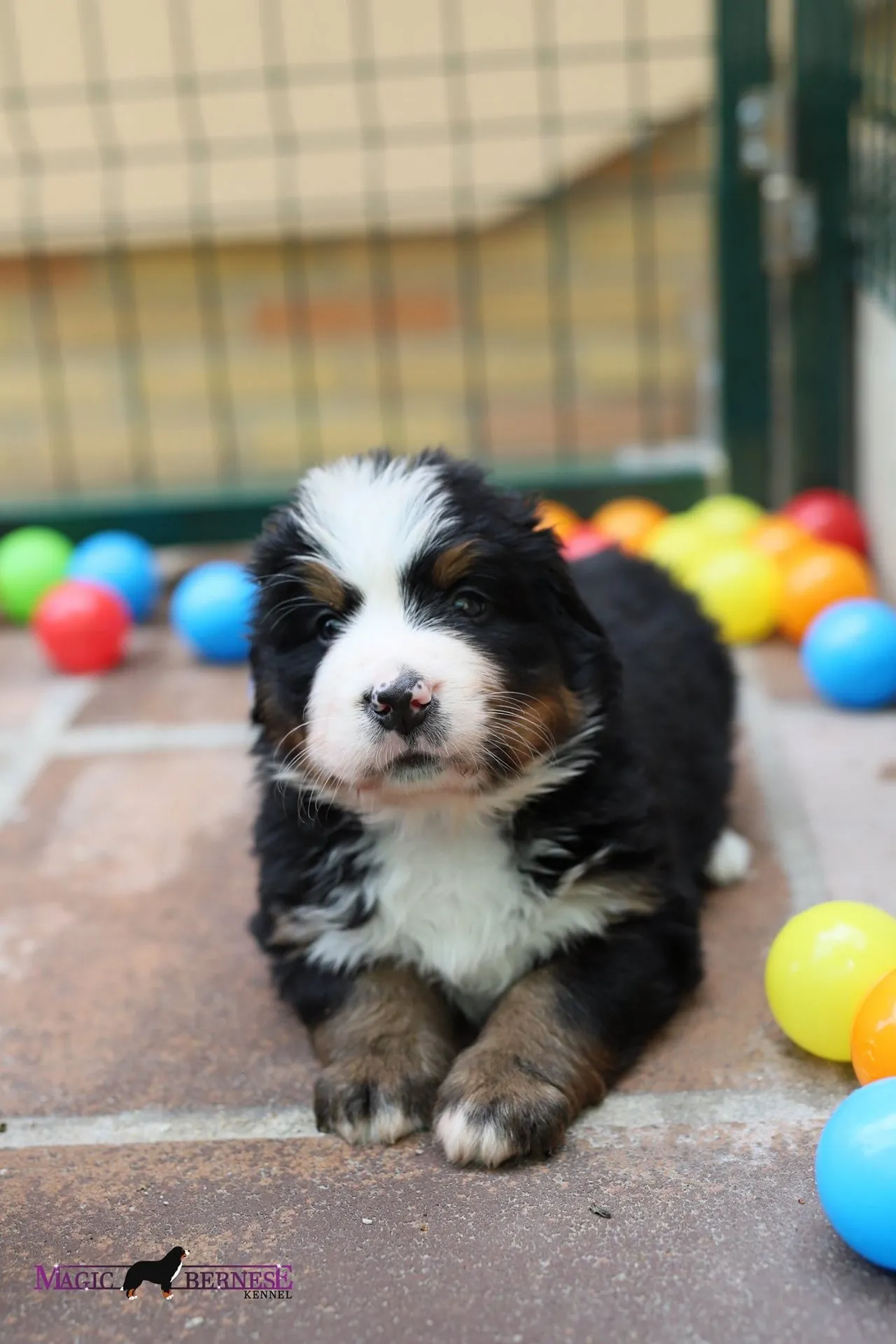
The Bernese is a MEDIUM-sized breed!
Does it drool like Beethoven?
The Bernese is basically not a drooling breed. Breeders pay attention to this and select against it! But if the lips are loose, it will certainly drool. This is worth checking in the parents!
Either the dog or the garden?
My usual answer is that the garden has to be made dog-friendly. That is, mark out (with fencing) the area the dog uses, or fence off the ornamental garden. That way there is no destruction, no digging in the wrong places, no stress, no arguments, no tension. We are happy to give advice on designing the garden.
Is it a barker?
It doesn’t bark or go wild without a reason. If the doorbell rings or its owner comes home, it lets you know, but it soon quietens down and carries on playing or resting. So you could say it’s a neighbour-friendly breed.
A dog house?
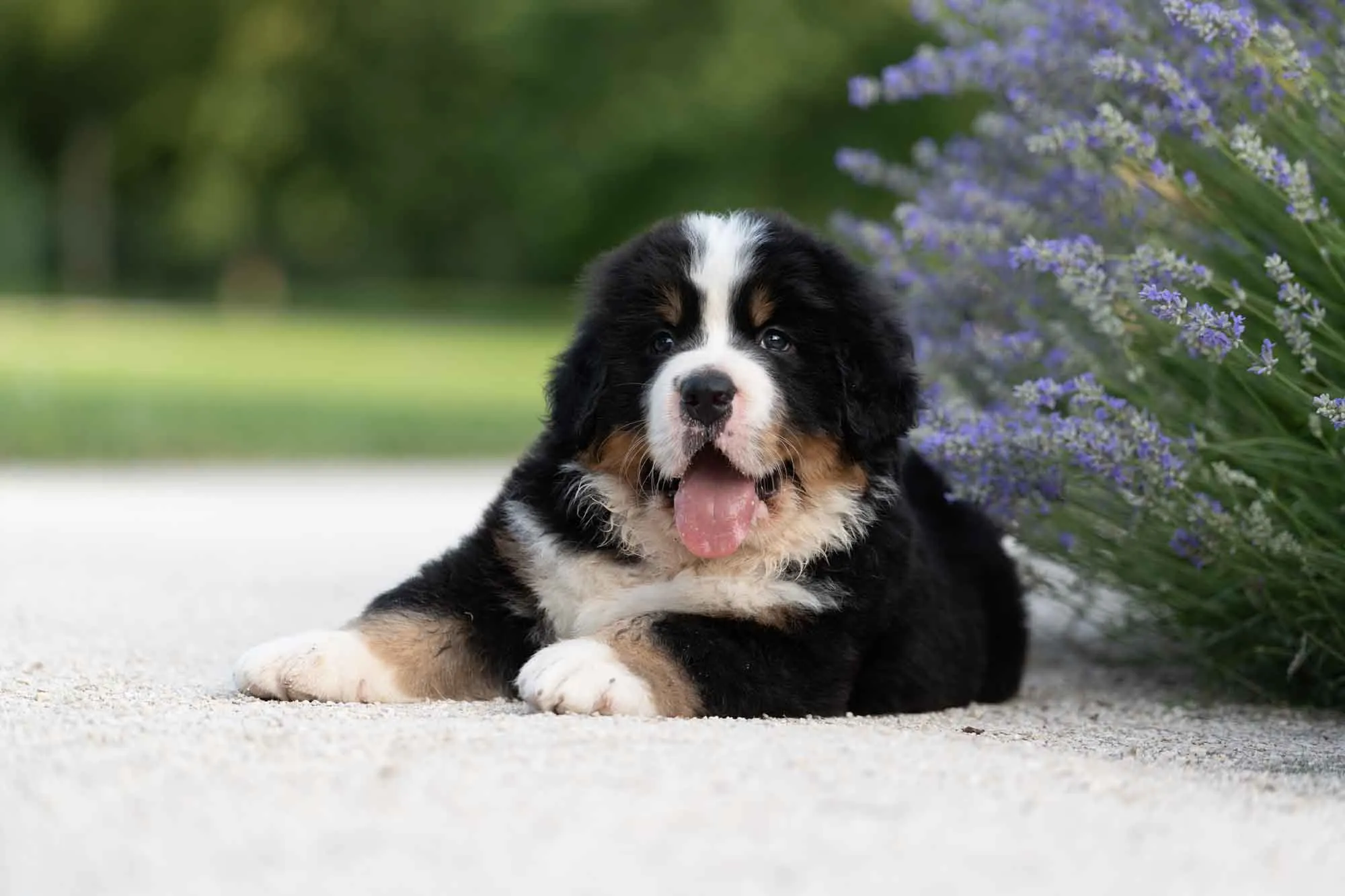
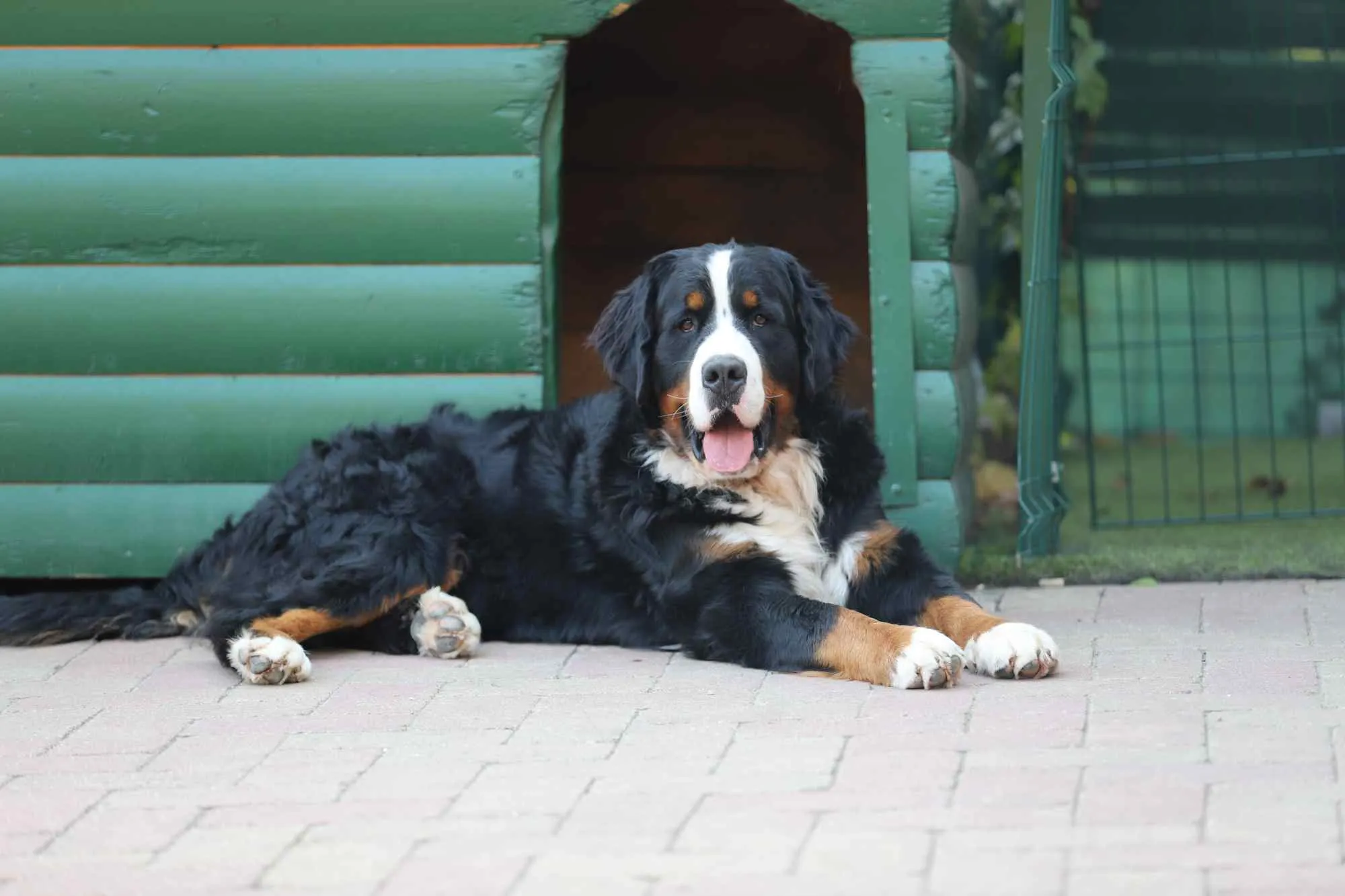
The Bernese isn’t really the kind of dog that would spend more than 45 minutes a year in the house bought for it. It lies on the terrace or in front of the front door, even in the heaviest snowfall. You can build it carefully crafted, home-made houses, but it will only chew on them. Use them? Not really.
That’s our experience.
A crate?!
“But I don’t want to lock it up in a prison!”
This is one of the things we hear most often.
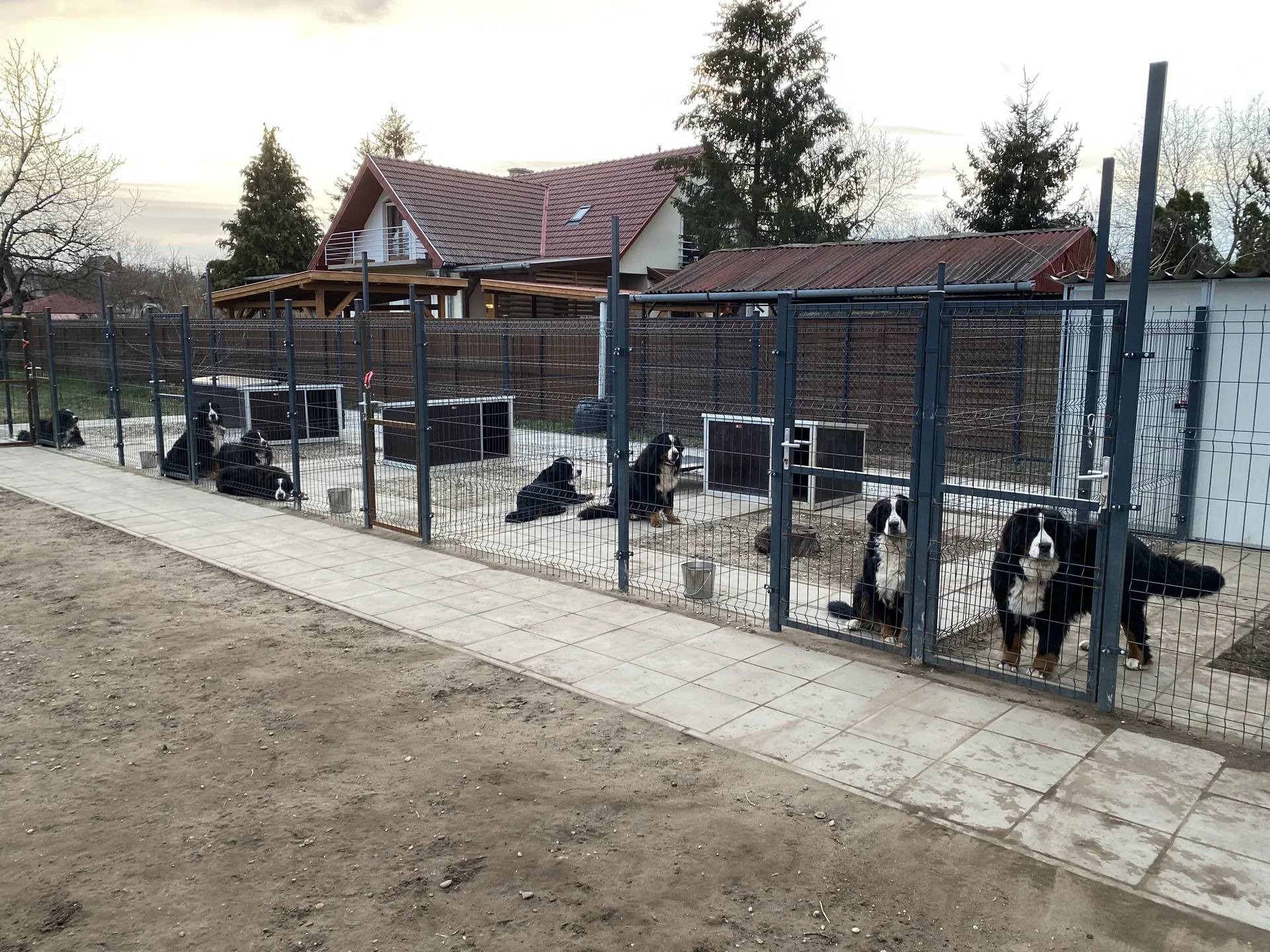
If it is properly accustomed to it, it becomes its safe haven. A place where it feels secure, not punished. It’s like a child’s bedroom – its own little kingdom. You never know when a tradesman might come round, or a home renovation might come up. Have a place where you, too, know your family member is completely safe.
Would you like a Magic Bernese puppy?
Get in touch with us and get to know our kennel better!
Puppies